Rethinking Concussions: Beyond 'No Pain, No Gain'
Concussions, Athlete Psychology, Sports Mindset
In sports, “no pain, no gain” suggests that pushing through discomfort can build resilience and confidence. But when it comes to concussions, that same mindset quietly causes real physical, mental, and emotional harm.
When “No Pain, No Gain” Is Applied Wrongly to Concussions
Concussions are not just “getting your bell rung.” They are brain injuries that affect how you think, feel, move, and relate to others. Unlike physical injuries, the signs are subtle: a lingering headache, feeling “off,” light sensitivity, difficulty focusing, or a strange emotional fog. These are not weaknesses; they are warning signs from your nervous system.
The traditional sports culture mindset often treats discomfort as something to power through. If an athlete can respond, communicate, and move, it’s easy to assume they’re fine. This is where the “no pain, no gain” mindset gets misapplied, because what builds muscle and grit becomes dangerous when the brain is injured.
💡 Key Insight: Pushing through sore muscles can make you stronger. Pushing through a concussion makes things worse, prolongs recovery, and puts long-term health at risk.
Concussions and the Weight of Invisible Injuries
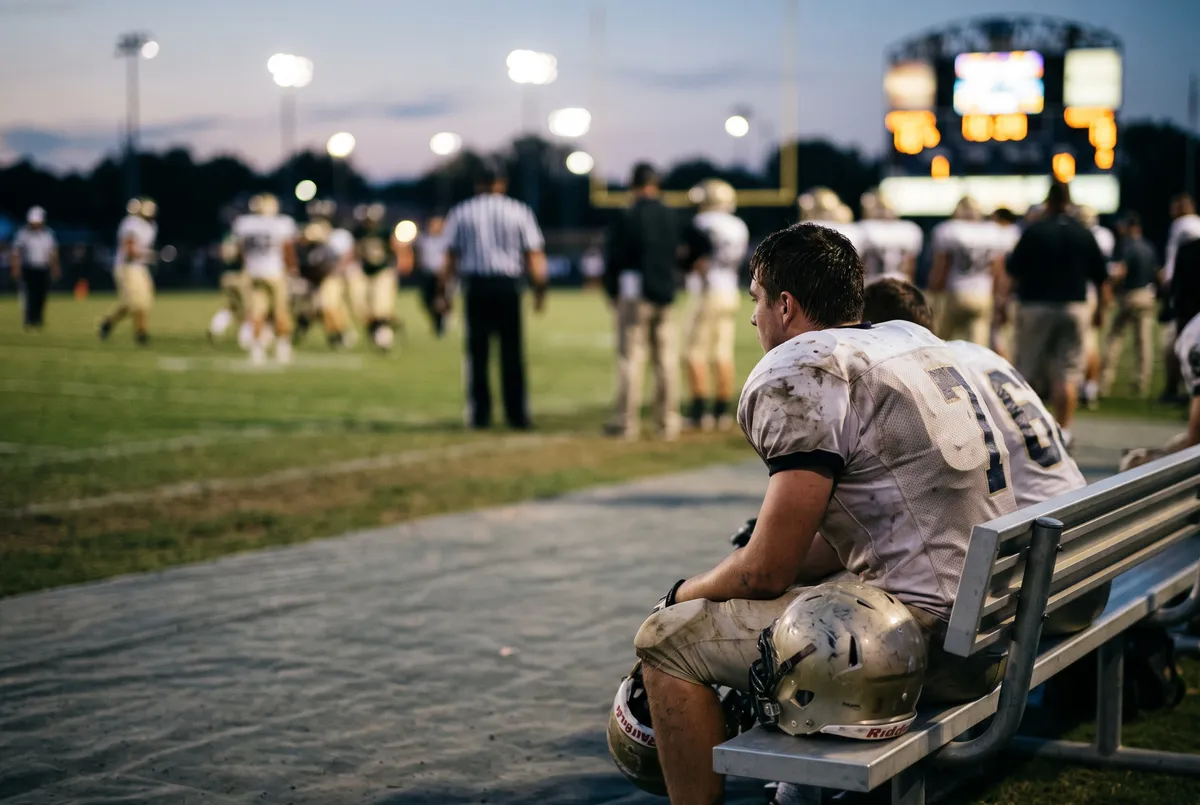
One of the challenges in understanding the effects of concussions is that they are invisible injuries. There’s no sling, no stitches, and no obvious bruises that signal, “This person is hurt.” On the surface, they might look completely normal. Yet their brain is working overtime to process basic information or manage emotions, and it can feel overwhelming.
Additionally, athletes often second-guess themselves. Am I really hurt, or am I just being soft? They may worry about losing their spot, letting teammates down, or being labelled as “fragile.” When the injury is invisible, the pressure to minimize it becomes enormous, creating a conflict between needing to rest and feeling compelled to “push through it.”
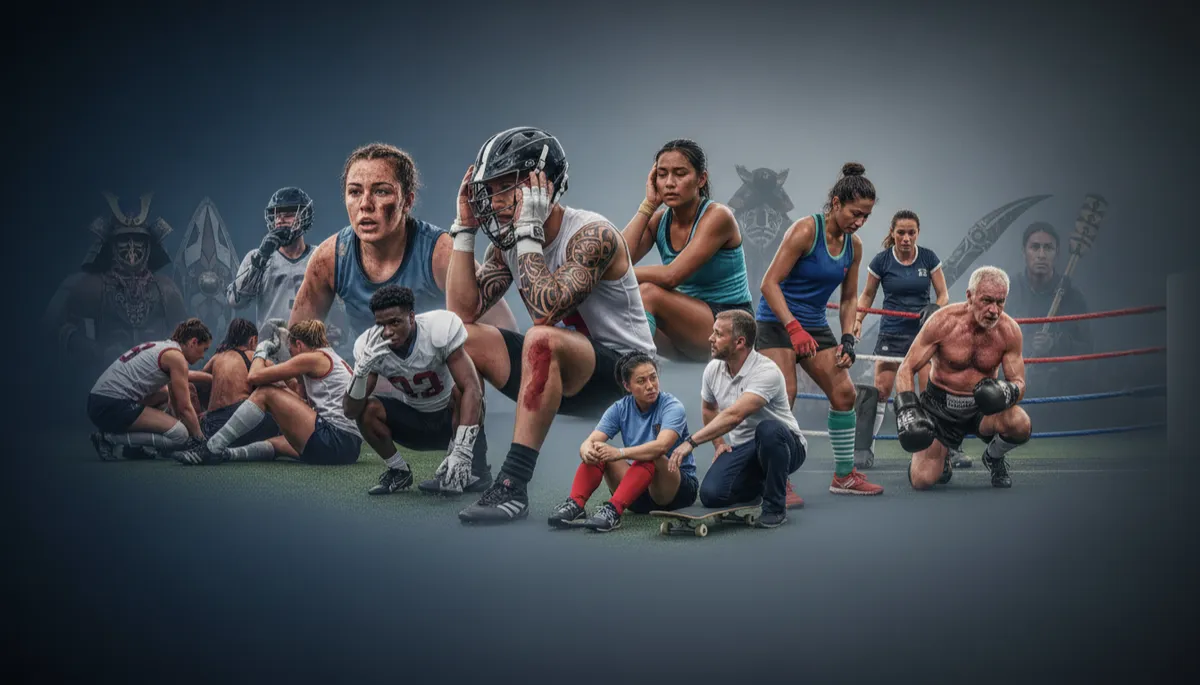
Invisible injuries often leave athletes torn between what they feel and what others see.
Athlete Psychology: Toughness, Identity, and Silent Fears
For many, competing in a sport is not just something they do; it’s a big part of who they are. Words like driven, relentless, and fearless are worn like badges of honour and become a powerful source of motivation. Conversely, this can make it harder to admit when something is wrong, especially when experiencing a concussion.
After a concussion, they may experience increased irritability, anxiety, or unusual emotionality. Everyday tasks may become more difficult, and they may feel forgetful or overwhelmed in different environments. Instead of recognizing these as injury symptoms, they may interpret them as personal flaws: I’m losing it. I’m not mentally tough enough. I’m failing my team. That inner dialogue can be just as painful as the physical symptoms themselves.
📌 Key Takeaway: Recognizing a concussion is a sign of self-awareness and a long-term commitment to personal well-being.
Sport Culture: What Gets Praised Gets Repeated
Sport culture shapes how we see athletes and how they see themselves, each other, and us. When stories of playing through broken fingers, sprained ankles, or bruises are celebrated, they become the standard for what “athletic” toughness looks like. The one who returns early from injury is praised; the one who doesn't isn't.
Often, they’re repeating what they heard growing up: “Walk it off,” “You’re fine,” “We need you out there.” But when these phrases are directed at someone with a concussion, they unintentionally pressure that person to dismiss very real symptoms. Over time, this normalizes playing while injured and blurs the line between self-preservation and self-sacrifice.

Shifting locker room culture starts with how we talk about courage, rest, and risk.
Redefining the Sports Mindset: Resting Strength as Real Strength
The sports mindset doesn’t need to be thrown out—it needs to be expanded. Grit, discipline, and commitment are still powerful. But so is the ability to pause, to listen to your body, and to choose long-term health over short-term heroics. This is where the idea of resting strength comes in: the courage to step back so you can come back fully, rather than pushing until something breaks.
Resting strength means talking about symptoms, even when no one else can see them. It means supporting the athlete who needs more recovery time and all stakeholders who check in with “How are you feeling?” rather than “Are you cleared yet?” It’s choosing to believe that protecting the brain isn't just about competing, but about the ability to function and about quality of life years from now.
💡 Pro Tip for Athletes and Supporters: Praise rest decisions as much as you praise big plays. The message becomes clear: health is part of performance, not separate from it.
Navigating Decisions After a Concussion: You Don’t Have to Guess Alone
After a concussion, decisions can feel heavier. Should you inform others about what you’re experiencing? Should you sit out playing? Should you take time away from daily tasks and routines? The “no pain, no gain” mantra might lead you to downplay everything and rush back to routine as soon as possible, even as you quietly wonder whether that’s really the best path.
Understanding how you naturally approach decisions under pressure can help, especially when emotions, personal identity, and health are intertwined, as they often are in concussions.

Honest conversations about risk and recovery can turn a lonely choice into a shared plan.
How Do You Handle Tough Decisions?
Thinking it Through – You tend to pause, question your thoughts, and look for a new angle.
Building on What Works – You focus forward, draw on what's gone well, and look for practical next steps.
Staying Grounded – You lean into steadying yourself first, finding calm before finding solutions.
Carving Your Own Path – You trust your instincts, shape your own direction, and aren't afraid to step off the usual route.
The phrase “no pain, no gain” isn’t going away, and it still has its place. But when it comes to concussions and brain health, we need a more nuanced definition of courage. One that includes speaking up, stepping back, and honouring resting strength as part of what makes an athlete truly resilient.
None of these archetypes is better than the others. Each brings its own strengths to moments when you’re deciding whether to speak up about symptoms, ask for more rest, or return to play. The key is knowing so you can recognize when “no pain, no gain” might be quietly steering you toward choices that don’t align with your values and long-term health.
Curious about your decision-making tendencies in high-stakes situations? Take the Trusting Your Decision-Making Questionnaire to discover your approach and build confidence in the choices you make for overall well-being.