
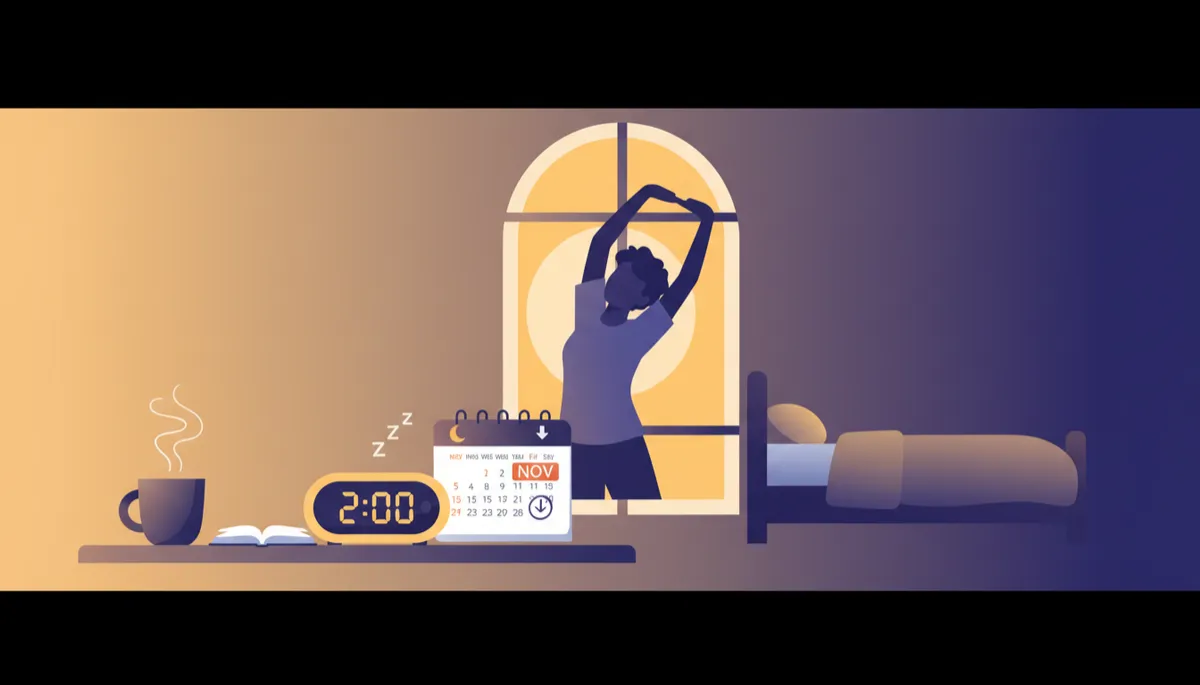
Adjusting to End of Daylight Savings: A Gentle Guide
Wellness, Sleep, Daylight Saving Time
Easing Into the End of Daylight Saving Time: A One‑Week Story of Small Shifts
When the clocks fall back, your body doesn’t always get the memo. Here’s a gentle, one‑week story‑plan to help you adjust before the end of daylight saving time arrives.
A week before daylight saving time ended, Maya sat on the edge of her bed, her phone glowing in her hand as she reread the tiny calendar reminder she’d set months earlier: “Clocks fall back next Sunday.” It was such a small sentence, yet memories of last year’s foggy mornings and restless nights stirred a quiet determination in her. This year would be different, she promised herself.
Day 7: The Decision to Prepare
Most years, the end of daylight saving time sneaks up on us like a quiet thief, disrupting our rhythm even as it gives us an extra hour. The clock says we’ve gained time, but our bodies often feel otherwise—groggy, oddly hungry, or wide awake at unusual hours. As Maya looked at the reminder, she realized she didn’t have to wait for the confusion to set in. She could start adjusting a week ahead, one small step at a time.
That evening, she made a quiet pact with herself. For the next seven days, she’d treat the time change as a gentle slope rather than a sudden cliff. No dramatic overhaul or pursuit of perfection—just a series of small nudges in the right direction.
Days 6–5: Shifting Bedtime in Tiny Steps
On Day 6, Maya went to bed just 10–15 minutes earlier than usual. It seemed almost laughably small, but that was the point. She dimmed the lights a little earlier, put her phone aside, and unwound with a book instead of watching one more episode. Her body didn’t protest; the change was gentle enough not to trigger resistance.
By Day 5, she repeated the pattern, going to bed another 10–15 minutes earlier. The goal was simple: by the time daylight saving time ended, her internal clock would already be shifting toward the new schedule. Instead of being pushed into a new time, she’d be easing her way toward it.
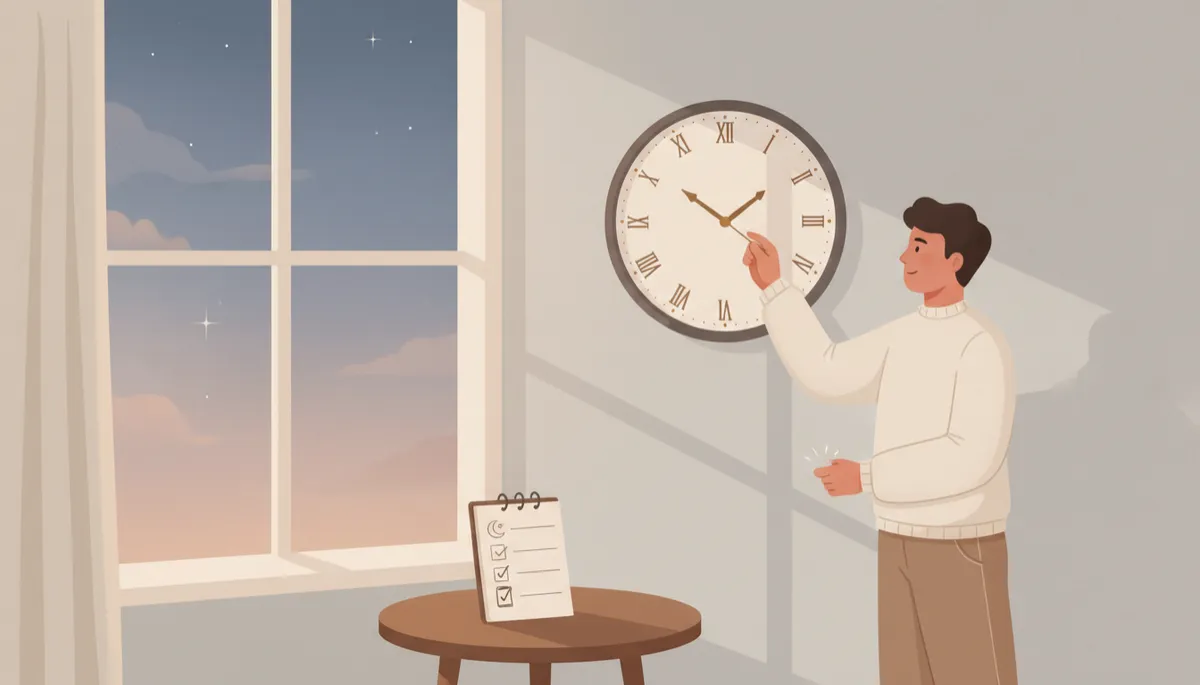
Small daily shifts help your body accept the end of daylight saving time.
Days 4–3: Bringing Mornings Into the Light
As the week went on, Maya focused on her mornings. On Day 4, she opened the curtains as soon as she woke, letting pale autumn light spill into her room. She’d read that light acts like a daily “reset button” for your body clock, and now she was trying the idea for herself. The earlier bedtime was beginning to feel natural, but the combination of light and routine was what anchored her days.
By Day 3, she had added a small ritual: a warm drink and five quiet minutes by the window before checking her phone or email. It wasn’t dramatic, but it sent her body a clear message: this is morning; this is when the day begins. With each sunrise, her internal clock moved closer to the post–daylight savings rhythm just ahead.
💡 Pro Tip: If natural light is limited, a soft lamp turned on at the same time each morning can still help cue your brain that it’s time to start the day.
Days 2–1: Aligning Meals, Screens, and Wind‑Down Time
On Day 2, Maya noticed another change: her hunger cues were shifting, too. Rather than ignore them, she gently moved her meals 10–15 minutes earlier to match her new sleep schedule. Lunch came a little sooner, dinner a little earlier, and late-night snacks gradually faded away. Her body, always paying attention, took note of the new rhythm.
That evening, she also made a pact with her screens. An hour before bed, she dimmed her phone and laptop, turned down the TV’s brightness, and let the house grow softer and quieter. She wasn’t perfect—some nights, she scrolled longer than planned—but she kept returning to her intention: to reach the end of daylight savings time already in sync with it, rather than fighting it through a haze of blue light and late nights.
On the final night, just before the clocks were set to fall back, Maya walked through her apartment, adjusting each one—the stove, microwave, and wristwatch—while the evening was still young. It felt like rehearsing for a play before opening night. When she finally slid into bed, she wasn’t bracing for chaos; she was simply turning the page to the next chapter in her routine.
The Morning After: Meeting the New Time with Ease
When her alarm rang the next morning, daylight saving time had officially ended. The world outside was a little darker, the clock a little earlier, but Maya felt something she hadn’t expected: calm. Her eyes opened without the familiar jolt of disorientation. Her body knew what to do because she’d been patiently teaching it for seven days.
She made her coffee, opened the curtains, and watched the new day begin. The extra hour felt like a quiet gift, not a confusing trick. Her week of small adjustments had made the end of daylight saving time feel smooth rather than abrupt.
Writing Your Own One‑Week Transition Story
Your story may look different from Maya’s, but the gentle principles are the same. You can start a week before daylight saving time ends:
• Move bedtime and wake time 10–15 minutes earlier every day or two
• Get morning light as soon as you wake up
• Shift meals slightly earlier to fit your new schedule
• Dim the lights and cut back on screen time before bed
The end of daylight saving time doesn’t have to be a jarring plot twist in your year. With a week of small, intentional changes, it can become a quiet chapter in which you choose your own pace, your own rhythm, and your own way of welcoming the new time with grace.